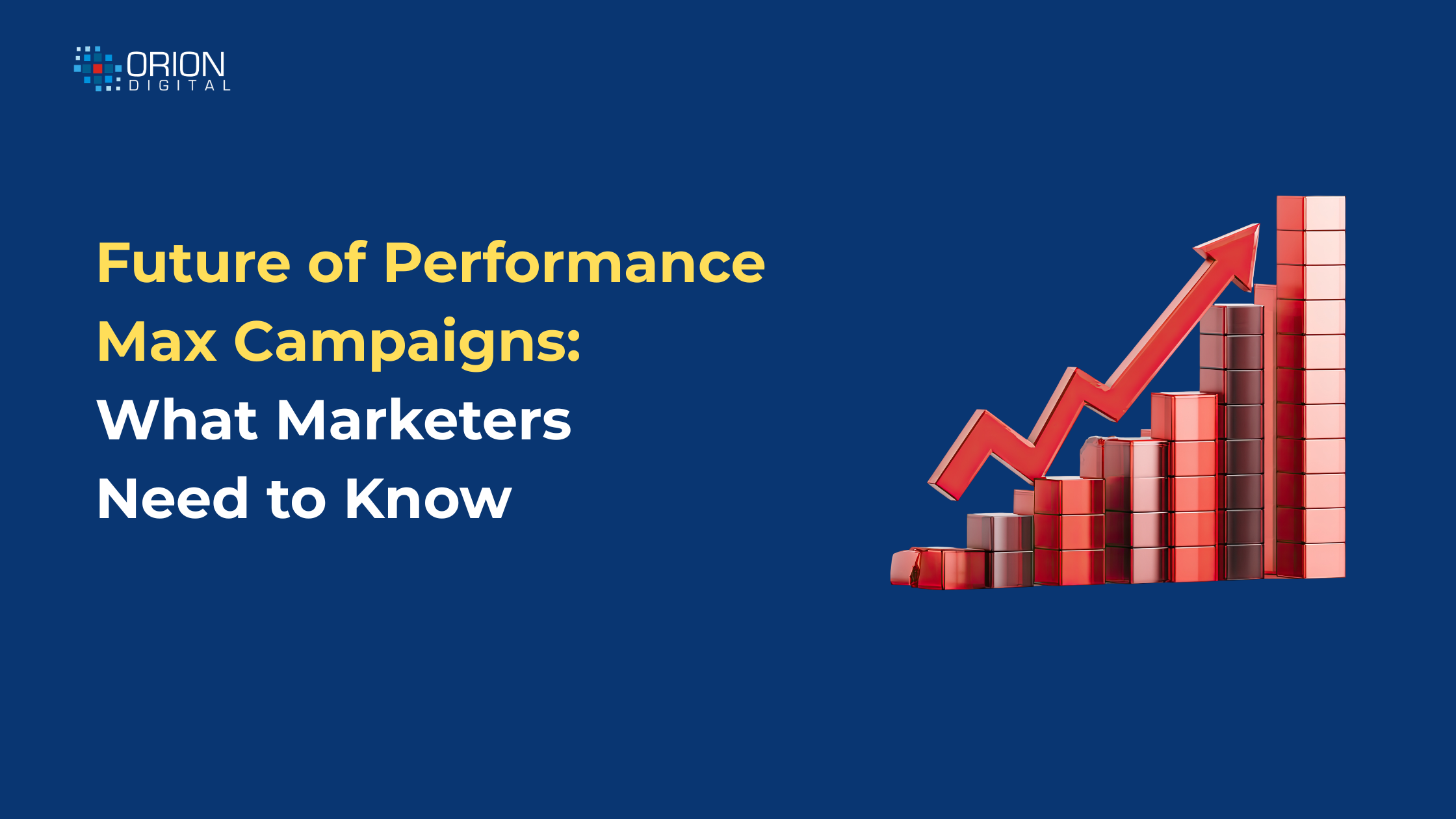
Future of Performance Max Campaigns: What Marketers Need to Know
- Chitra Rajput
- February 17, 2026
- Digital Marketing
- 0 Comments
Performance Max campaigns have quickly moved from being “optional” to almost unavoidable in Google Ads. At first, many marketers were sceptical. Less control, more automation, fewer visible levers – it felt uncomfortable. But as Google continues to push AI-driven advertising, Performance Max is clearly becoming central to how paid campaigns will run in the future.
The question is no longer whether to use Performance Max, but how to use it properly.
Performance Max Is Becoming the Default, Not an Add-On
Google’s direction is clear. Performance Max is designed to cover all inventory – Search, Display, YouTube, Discover, Gmail and Maps – under one campaign. Over time, more features and placements are being folded into it.
For marketers, this means traditional campaign silos will matter less. Instead of managing separate campaigns for each channel, the focus will shift toward signals, creatives and conversion quality.
Control isn’t disappearing – it’s just moving to different areas.
AI Will Decide More, But Marketers Still Guide
Performance Max runs on machine learning, but it doesn’t work in isolation. The future of these campaigns depends heavily on the inputs marketers provide.
Audience signals, conversion goals, creative assets and data quality will decide how well campaigns perform. Brands that treat Performance Max as a “set and forget” tool will struggle.
Those who feed it clean data and clear intent will win.
Creative Quality Will Matter More Than Ever
As bidding and targeting become automated, creative becomes the main differentiator. Performance Max tests multiple combinations of headlines, images, videos and descriptions across platforms.
In the future, campaigns with:
- Strong visual storytelling
- Clear value propositions
- Platform-friendly creatives
will outperform those relying on generic assets.
Marketers will need to think beyond static banners and invest more in short-form video and engaging visuals.
First-Party Data Will Be a Game Changer
With privacy changes and cookie limitations, first-party data is becoming extremely valuable. Performance Max already works best when paired with customer lists, CRM data and site engagement signals.
In the future, brands that actively collect and use first-party data will see stronger results. This includes:
- Email lists
- Past purchasers
- High-intent site visitors
The more context you give Google, the better it can match your ads to the right users.
Transparency Will Improve – Slowly
One of the biggest criticisms of Performance Max has been lack of visibility. Marketers want to know where ads are showing and what’s driving results.
Google has started releasing more insights, and this trend is expected to continue. While full transparency may never exist, smarter reporting and breakdowns will help marketers make informed decisions instead of guessing.
Conversion Quality Will Matter More Than Volume
In the future, feeding poor-quality conversions into Performance Max will hurt performance faster. AI optimizes based on what you define as success.
If low-intent actions are tracked as conversions, the campaign will chase the wrong users. Marketers will need to refine conversion tracking and focus on quality leads and actual business outcomes – not vanity numbers.
Testing Will Shift from Keywords to Signals
Traditional keyword testing will take a back seat. Instead, marketers will test:
- Audience signals
- Asset groups
- Conversion actions
- Landing pages
Success will come from understanding how these elements work together, not from tweaking individual keywords.
Conclusion
Performance Max is not killing performance marketing – it’s reshaping it. The future belongs to marketers who can combine strategy, creativity and data to guide AI in the right direction.
Those who fight automation will feel left behind. Those who learn how to work with it will unlock scale and efficiency that manual campaigns simply can’t match anymore.
In the coming years, Performance Max won’t just be another campaign type. It will be the foundation of how Google Ads works.
Related Posts