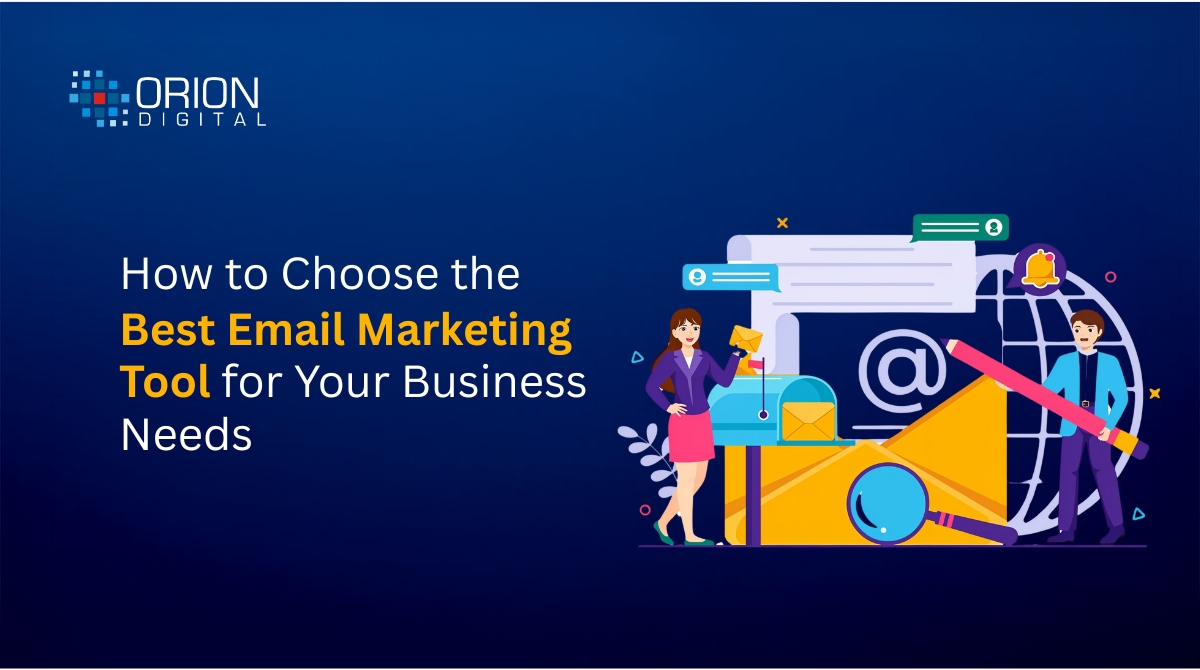
How to Choose the Best Email Marketing Tool for Your Business Needs
- Naveen N
- April 21, 2025
- Email Marketing
- 0 Comments
In today’s digital-first world, email marketing is far from dead—in fact, it’s thriving. Whether you’re a solo entrepreneur, a growing startup, or an established brand, email is still one of the most direct and cost-effective ways to connect with your audience. But here’s the catch: with so many email marketing tools out there, how do you know which one is right for your business?
Let’s walk through the key factors you should consider when choosing the best email marketing platform to meet your business goals, save time, and boost engagement.
1. Know Your Goals Before You Choose
Before diving into features, take a step back. Ask yourself:
- What am I trying to achieve with email marketing?
- Do I want to grow a subscriber list, send out newsletters, drive product sales, or automate customer journeys?
If you’re just getting started, you might prefer something simple and user-friendly. But if you’re looking to scale and create complex automations, you’ll want a tool with more advanced capabilities. The clearer your goals, the easier it is to match them with the right software.
2. Ease of Use vs. Customization
Let’s be real—no one wants to wrestle with a confusing dashboard. User experience matters, especially if you’re handling email marketing in-house. Look for a tool with:
- Drag-and-drop editors
- Pre-built templates
- Clear reporting dashboards
But ease of use shouldn’t come at the cost of power. As your business grows, you may need customization options—like behavioral triggers, A/B testing, and segmentation. Choose a tool that can grow with you.
3. Automation: Your Time-Saving Superpower
One of the biggest benefits of email marketing tools is automation. Think welcome emails, abandoned cart reminders, or follow-ups after a webinar—sent automatically, at the right time.
If automation is a priority for you (and it should be), make sure the platform offers:
- Visual automation builders
- Triggers based on actions like clicks, purchases, or sign-ups
- Options to personalize messages dynamically
Platforms like ActiveCampaign or MailerLite shine here, while simpler tools like Mailchimp still offer solid automation for beginners.
4. List Management & Segmentation
Not all subscribers are the same—so your emails shouldn’t be either. Segmentation allows you to send more relevant messages to different groups, which leads to better engagement and fewer unsubscribes.
Check if the platform supports:
- Tag-based organization
- Dynamic segments
- Custom fields for personalization
If you’re a creator, tools like ConvertKit offer excellent tag-based segmentation. If you’re running eCommerce, platforms like Klaviyo integrate well with online stores.
5. Integration with Your Existing Tools
Your email platform shouldn’t operate in a silo. It should sync seamlessly with your website, CRM, eCommerce platform, and other tools you use.
For example:
- Running a Shopify store? Look for direct eCommerce integration.
- Using WordPress? Make sure your email tool has a plugin or embed options.
- Working with a sales team? CRM integration (like with ActiveCampaign) is essential.
The smoother the integration, the more time you save and the better your data flows.
6. Analytics and Reporting
You can’t improve what you can’t measure. Make sure your tool offers clear insights into:
- Open and click rates
- Conversion tracking
- Subscriber growth over time
Some platforms even offer revenue tracking, helping you connect campaigns directly to sales. This is invaluable when showing ROI to your team or stakeholders.
7. Budget & Pricing Flexibility
Cost is always a factor. Most platforms offer tiered pricing based on list size or features. Watch out for:
- Hidden fees for extras (like advanced automations or support)
- Limits on the number of emails or users
- Long-term contracts
If you’re just testing the waters, free plans from Mailchimp, Sender, or Benchmark Email can help. But for long-term growth, investing in the right features pays off.
Final Thoughts: There’s No One-Size-Fits-All
Choosing the best email marketing tool isn’t about picking the most popular option—it’s about finding the one that fits your business, your goals, and your workflow.
Start small. Test a few platforms. Many offer free trials, so don’t hesitate to get hands-on. As your list grows and your strategy evolves, you can always scale up or switch tools. The important thing is to start building relationships now—one email at a time.
Need help choosing or setting up your email marketing system? Let’s chat! We’re happy to help you find the perfect fit for your business.
Related Posts